Cloud Wind Spinner Canva Mockup: A Designer's Guide
There’s a unique kind of magic in seeing a design concept transform into something tangible, something that moves and catches the light. For those of us who create and sell digital goods, this transformation is the core of our business. The Cloud Wind Spinner Canva Mockup is more than just a template; it’s a bridge between a flat, digital file and a perceived physical product that sparks emotion and desire. It captures the whimsical, kinetic energy of a wind spinner, placing your artwork within a context that feels both playful and professionally presented.
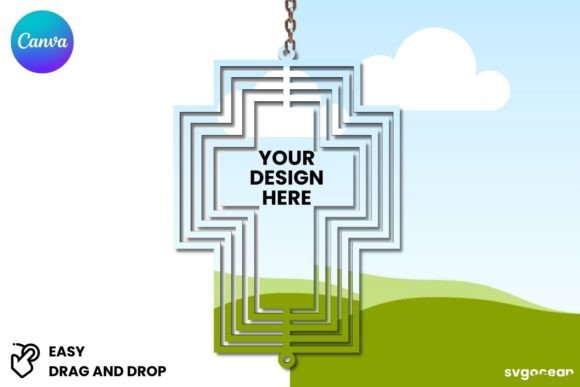
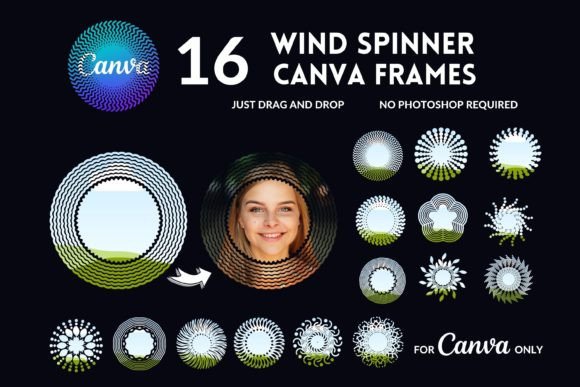
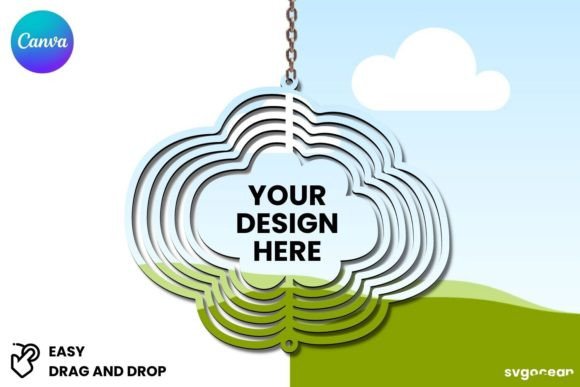
At its heart, this Canva mockup is a tool for storytelling. Visually, it presents a delicate, often cloud-shaped or circular spinner design suspended in a clean, airy environment. The personality it conveys is one of gentle movement, creativity, and a touch of nostalgia. The style leans into a modern, clean aesthetic, ensuring the focus remains squarely on the artwork you place within it. Its overall appeal lies in its ability to make a simple graphic feel like a cherished item—a piece of decor, a gift, or a personal statement. This isn't just about showing a design; it's about selling a feeling, a moment of quiet joy or playful energy.
Where This Mockup Truly Shines
The versatility of the Cloud Wind Spinner Canva Mockup is one of its greatest strengths. It’s not confined to a single niche, making it an invaluable design asset for a wide range of projects and professionals. For crafters and hobbyists, it’s the perfect way to showcase patterns for paper crafts, DIY kits, or personalized spinner designs for parties and nurseries. The context immediately communicates the product's purpose and charm.
For small business owners and entrepreneurs, particularly those in the giftware, home decor, or children’s product spaces, this mockup becomes a cornerstone of their brand identity and marketing. Imagine using it to present a new collection of nature-inspired prints or seasonal designs. It elevates the presentation from a simple flat lay to a lifestyle shot that tells a story. Bloggers and content creators can leverage it to illustrate tutorials on DIY projects, review craft supplies, or add visually engaging graphics to articles about home styling or party planning.
Even for designers and marketers working on broader campaigns, the mockup offers a fresh perspective. It can be used in social media graphics for a brand that wants to project a friendly, artisanal, or whimsical image. Think of a bakery promoting a new line of cookies with a spinner design, or a children’s author illustrating a scene from their book. The application is limited only by the creativity of the user. It’s a tool that fits seamlessly into web design hero sections, email newsletter headers, and social media graphics for platforms like Instagram and Pinterest, where visual storytelling is paramount.
Maximizing Impact: Practical Guidance for Use
Integrating the Cloud Wind Spinner Canva Mockup into your workflow is straightforward, but a few strategic considerations can significantly enhance its effectiveness. First, consider the visual hierarchy of your final design. The spinner itself is a focal point, so the artwork you place on it should be clear and compelling at the size it will be viewed. A highly detailed, intricate pattern might get lost; a bold, graphic, or typographic design often works best.
When it comes to font pairing if you’re adding text to your mockup scene, choose typefaces that complement the mockup’s personality without competing with it. A clean, modern sans serif font for informational text can provide a nice contrast to the playful form of the spinner. Alternatively, a simple, legible script font can enhance the whimsical feel, but use it sparingly for headlines or accents to maintain readability. The goal is harmony, not a clash of styles.
Always review the included styles and customization options within the Canva template. Can you change the background color or texture? Are there different spinner shapes or suspension lines? Experiment with these elements to tailor the mockup to your specific brand palette or project theme. This level of customization helps in maintaining brand consistency across all your marketing materials.
From a practical standpoint, always test your final design at the size it will be published. A design that looks perfect on your editing screen might lose clarity when reduced to a thumbnail for an online store listing. Zoom out and check the legibility of any text and the impact of the overall graphic. Finally, while the mockup itself is a commercial font asset you can use, ensure the artwork you place within it is either your own original creation or properly licensed for commercial use. This is fundamental to professionalism and protects your business.
A Final Thought on Creative Assets
In a crowded digital marketplace, the presentation of your work is often the first and most crucial point of engagement. Tools like the Cloud Wind Spinner Canva Mockup provide a low-effort, high-impact way to demonstrate the value and appeal of your designs. They help build recognition, foster audience engagement, and ultimately, communicate that you care about the details. It’s a small asset that can make a significant difference in how your creative output is perceived and received.