Unlocking Creative Efficiency with Canva Frame Templates
The Anatomy of a Slot Pocket Tag
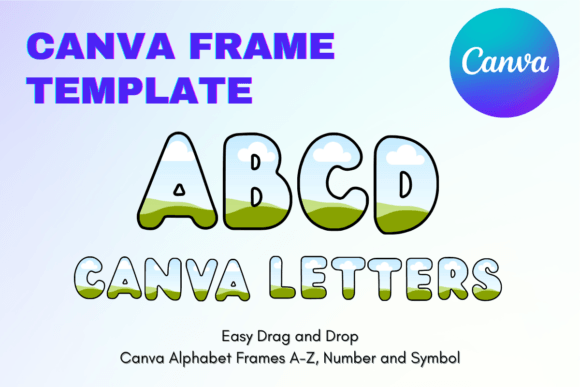
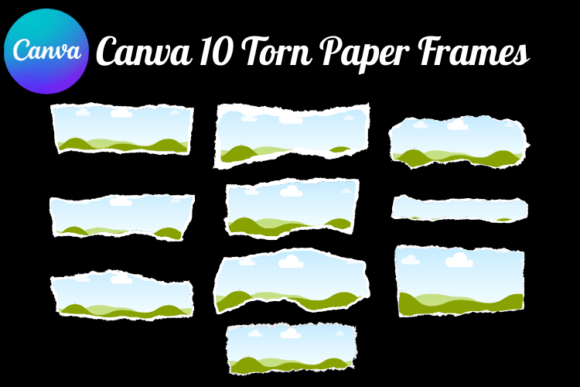
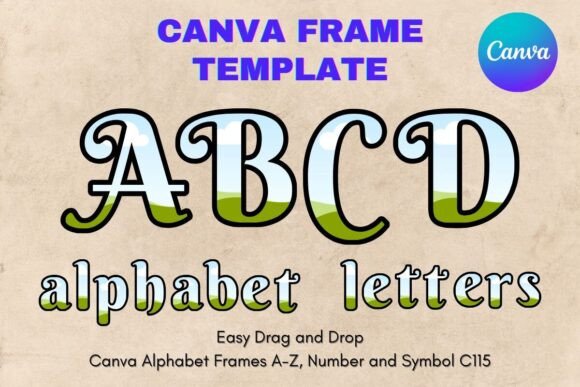
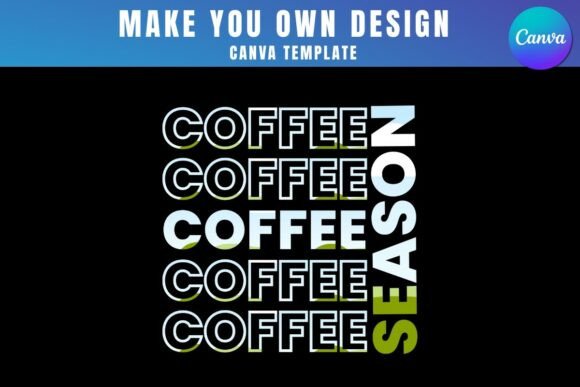
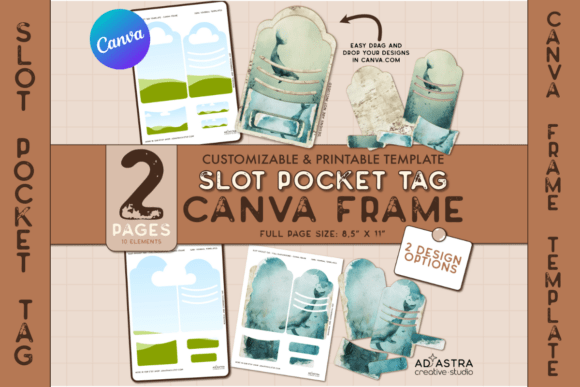
At its core, a Slot Pocket Tag is a functional piece of design architecture. It’s a rectangular shape, often with a die-cut slot at the top, designed to hold a name badge, a gift tag, a price label, or a bookmark. In the physical world, it’s a small piece of card stock. In the digital design space, it’s a perfect container for visual elements. A Canva Frame Template for this shape acts like a mask. You drag your own photograph, pattern, or illustration into the frame, and it instantly adopts the precise shape of the tag, slot and all. This is the magic of modern typography and asset management in Canva—it transforms a static shape into a dynamic design vessel.
The visual personality of this asset is one of clean utility and creative potential. It’s a blank slate. Its appeal isn’t in a pre-loaded aesthetic, but in its neutrality and precision. The style is fundamentally graphic design tool: a vector-based, infinitely scalable shape that maintains perfect edges whether you’re designing for a 2-inch tag or a large-format poster. Its overall appeal lies in its ability to provide instant structure to a design, acting as an anchor point for your creative fonts and imagery.
Real-World Applications: Where This Template Shines
The true value of a Canva Frame Template set like this is its sheer versatility. Think beyond the literal tag. In brand identity work, these frames can become the basis for a cohesive system. Use them to create uniform product tags for an entire collection, ensuring every item from a candle to a piece of pottery has the same recognizable label. The consistency is built-in, which is a huge time-saver for small business owners and entrepreneurs.
For marketing and social media graphics, the applications multiply. Create a series of Instagram Story highlights where each one uses a slot pocket tag frame as a stylized "tab" for a different topic—testimonials, new arrivals, behind-the-scenes. In packaging design, they can become the basis for thank-you cards, discount codes, or care instruction tags slipped into orders. The template ensures every piece aligns perfectly with your brand's visual language, reinforcing professionalism and recognition.
For publishers and content creators, this is a hidden gem. Imagine designing a series of printable bookmarks or journaling cards. The frame allows you to quickly apply different vintage paper textures, botanical illustrations, or motivational quotes to each one, creating a cohesive yet varied set. In editorial design, they can be used to create stylized pull quotes or sidebars in a digital magazine or PDF guide, adding a tactile, designed feel to the layout.
Design Guidance: Making the Template Work for You
Choosing to use a Canva Frame Template is the first step. Using it effectively is the next. Here’s practical guidance for integrating this asset into your workflow. First, evaluate the project fit. Ask yourself: does this project need a container for imagery or text? Is a tag-like shape appropriate for the context? This template excels in projects that require a mix of image and text in a defined, repeatable format.
Next, consider your font pairing. The frame is a neutral element, so your typography will define the personality. Pair it with a strong sans serif font for a clean, modern look perfect for a tech startup's name badges. Combine it with an elegant script font for a luxurious gift tag on high-end products. The template itself doesn't have a voice—your choice of typeface gives it one. This is where you inject your brand's character.
Test the included styles. The set mentions options for cohesive or individual designs. For a product line, apply a single, beautiful pattern across all tags for unity. For a set of event name badges, use the individual design option to apply each guest's photo or a unique color to their tag. Experiment with the adjustable inner frames and outlines. A subtle outline can add depth, while removing it can create a more seamless integration with your background.
Finally, remember readability. While the frame holds your design, the text on or around it must remain clear. Ensure high contrast between your text color and the background applied to the frame. If using a busy photograph inside the frame, consider placing your text on a semi-transparent shape or a solid color block attached to the tag. This template is a powerful design asset, but its effectiveness hinges on your strategic decisions regarding hierarchy, color, and type. It’s a tool that, when used with intention, can significantly streamline your creative process and elevate the consistency of your commercial and personal projects.